
Giving Day 2026
September 2026
Share the story:


30th June 2026
Alexandra Canal Oil Spill Response: A Remarkable Collaboration to Rescue Wildlife
When an oil spill entered Sydney's Alexandra Canal in early June, it triggered an extraordinary response involving wildlife rescue organisations, emergency services, government agencies, and members of the public. Together, these groups worked tirelessly to locate, rescue and rehabilitate native wildlife impacted by the pollution.
What began as an environmental emergency quickly became a powerful example of what can be achieved when communities and organisations unite for wildlife.
The First Rescue
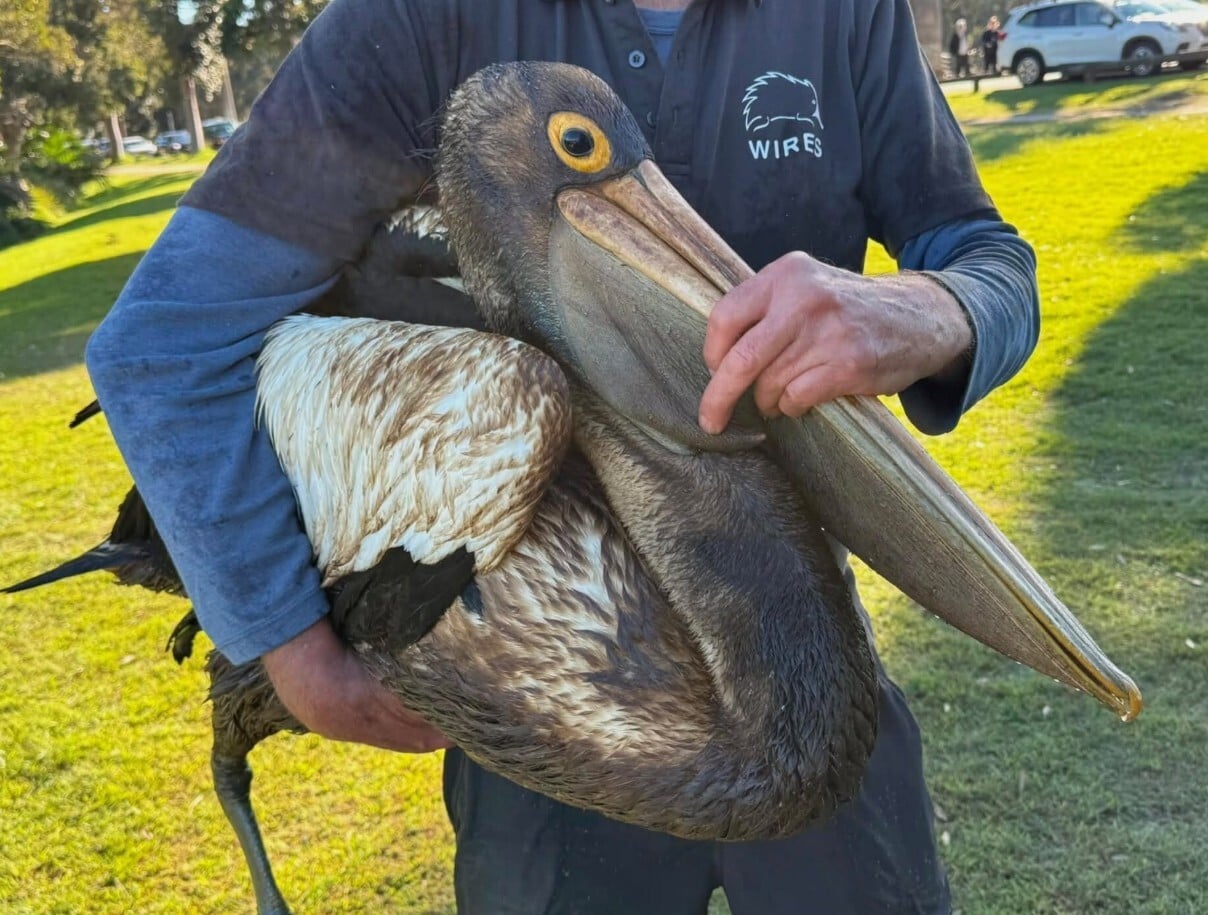
Following the initial reports of the oil spill on 4 June, WIRES volunteers Melissa, Paul and Jan successfully rescued an oil-affected pelican from Centennial Park Lake after concerns that contaminated birds had dispersed from Alexandra Canal.
The pelican was transported to Taronga Wildlife Hospital for emergency veterinary assessment and specialist cleaning to remove the oil from its feathers. Another affected pelican was also sighted, although it could not immediately be safely contained.
From the outset, multiple agencies mobilised to respond to the incident. The NSW Environment Protection Authority monitored the affected waterway with support from Fire and Rescue NSW, Sydney Water and NSW SES crews. Fire and Rescue NSW also facilitated drone surveillance to identify additional impacted wildlife, while NSW SES provided watercraft to assist rescuers searching the canal.
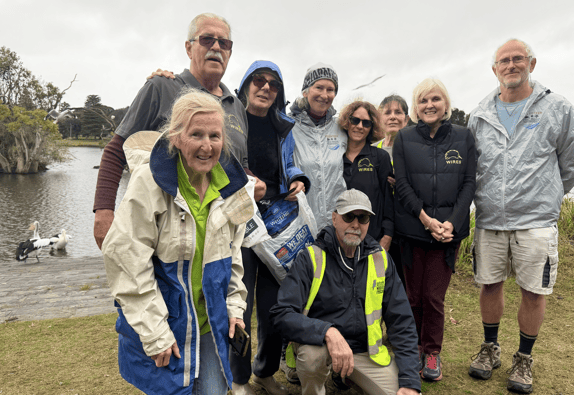
Wildlife organisations, including WIRES and Sydney Metropolitan Wildlife Services, coordinated rescue efforts and managed reports from the public, ensuring sightings of affected birds could be acted on as quickly as possible.
A Growing Rescue Mission
As the days turned into weeks, reports of oil-affected birds continued to arrive at the WIRES Rescue Office.
More than 80 marine birds, predominantly pelicans, were reported following the spill. While many were located around Sydney, impacted birds were also sighted as far north as Woy Woy on the Central Coast, Warwick Farm in Sydney's south-west and Woodville in the Hunter region.
Sadly, rescuers believe these reports likely represented only a fraction of the wildlife affected. Many birds may have flown to remote waterways where they were less likely to be seen.
Oil contamination poses a significant threat to waterbirds. Once oil coats their feathers, it compromises their waterproofing and insulation, making it difficult to regulate body temperature and stay buoyant. The greatest danger often comes when birds instinctively preen themselves, ingesting toxic oil or diesel that can cause serious illness or death.
Despite these challenges, the response relied heavily on local communities, whose vigilance and willingness to report sightings helped rescuers locate wildlife that may otherwise have gone unnoticed.
An Uplifting Milestone
On 25 June, after weeks of rescue, treatment and rehabilitation, the first two pelicans impacted by the oil spill were ready to return to the wild.
Collected from Taronga staff in the WIRES Emergency Response Wildlife Ambulance, the birds were released at Centennial Park Lake, where several affected pelicans had dispersed following the spill.
One pelican immediately began preening its newly cleaned feathers, while the other stretched its wings before taking flight across the lake.
While these successful releases were a cause for celebration, the work was not yet complete. Wildlife organisations continued monitoring waterways across Sydney and regional New South Wales, responding to reports of additional oil-affected animals as they emerged.
A Testament to Collaboration
The Alexandra Canal oil spill highlighted the devastating impact environmental pollution can have on native wildlife, but it also showcased the remarkable outcomes possible when organisations, emergency services, government agencies, and the community work together.
Every contribution helped give affected wildlife the best possible chance of survival.
Rescue efforts continue wherever needed to ensure any remaining affected wildlife can receive the care they need before eventually returning to the wild and serves as a lasting reminder that protecting Australia's wildlife is a shared responsibility—and that together, extraordinary outcomes are possible.
Stay in touch and get our regular rescue stories, WIRES updates and a free copy of our 15 Ways to Help Wildlife ebook
September 2026
September 2026
September 2026
August 2026