
Woolworths and WIRES Food Support Grants
June 2026
Share the story:


Media Release - 17.4.26
Wildlife road alert for motorists as WIRES records 200% increase in native animal car strikes.
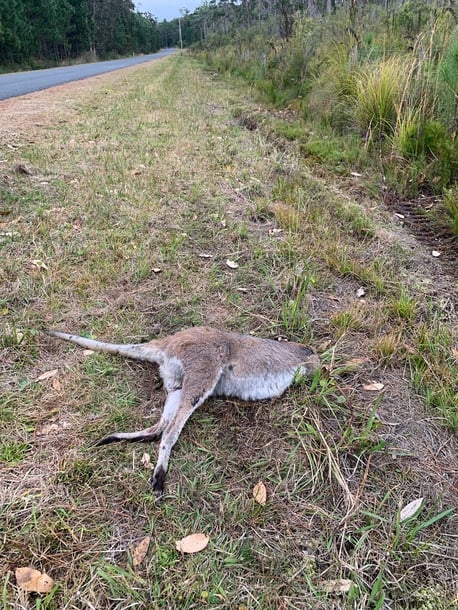
WIRES’ 24/7 Rescue Office has recorded a 200% increase in calls from the public reporting native animals struck by vehicles in the first week following the end of daylight saving on Sunday 5 April.
WIRES spokesperson John Grant said the spike is driven by peak-hour traffic occurring an hour earlier, now coinciding with the time nocturnal wildlife emerge to feed at dusk and return at dawn.
“With school holiday makers returning home this weekend, we are urging motorists to take extra care in known wildlife areas, particularly at dusk and dawn when animals are most active and likely to be crossing roads,” said Grant.
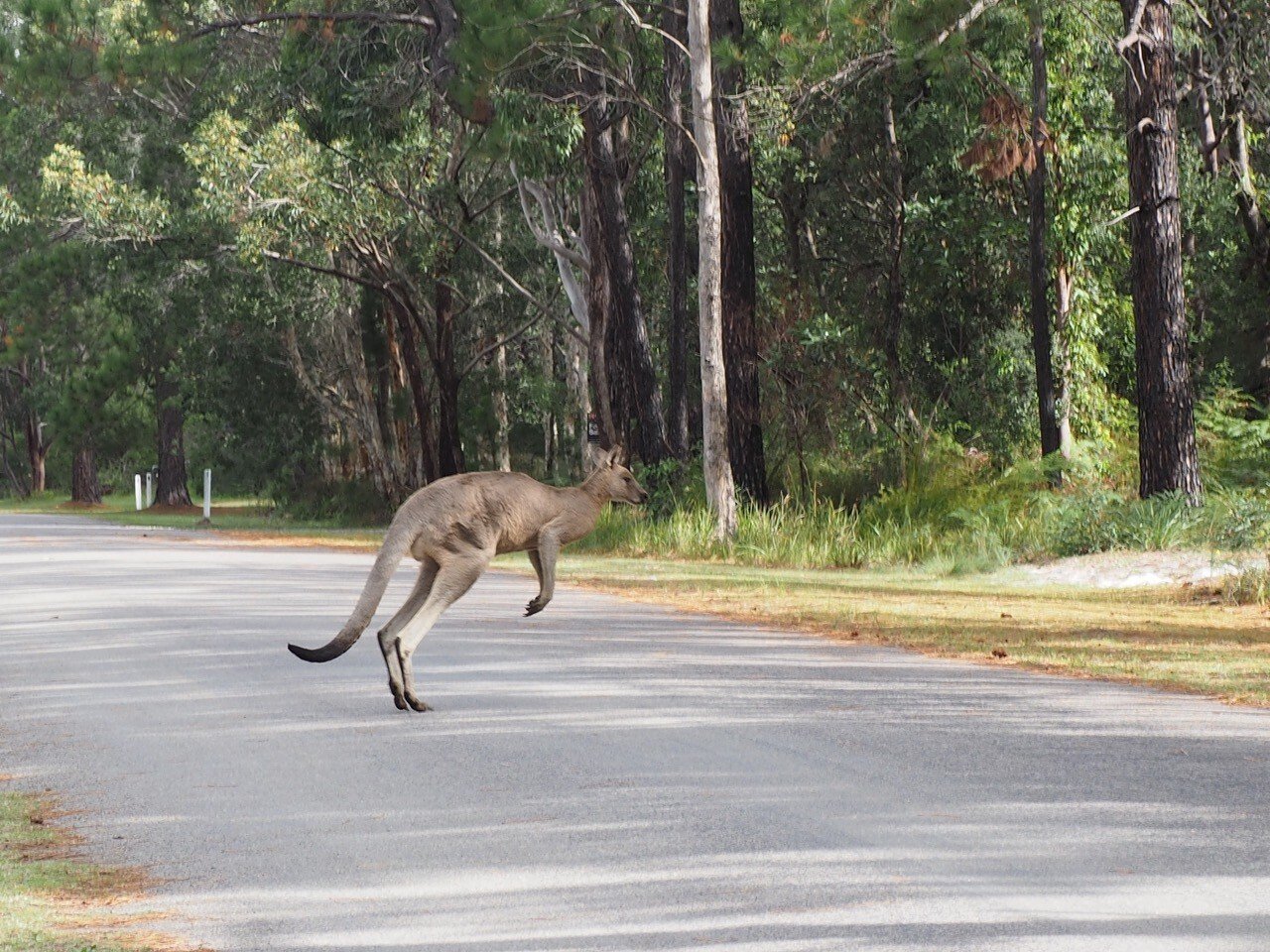
Native animals most at risk of vehicle strike include kangaroos, wombats, wallabies, koalas, possums and echidnas. Secondary animals such as raptors, goannas and dingoes are also at risk when feeding on roadside carcasses.
“The weeks following the end of daylight saving are also an especially demanding time for wildlife volunteers across all rescue groups, who respond to these incidents in the hope of saving injured animals.”
WIRES believes this increase represents only a fraction of the animals actually being hit as many go unreported. Just like domestic pets, our native animals have no road awareness and can emerge suddenly from roadside bushland with little warning. There are, however, ways the public can help if they hit or encounter an animal following a car strike.
WIRES advises the following actions in the event of a car strike:
If you see an animal on the side of the road with an ‘X’ spray painted on the body, it has already been checked and assessed by a wildlife volunteer.
Stay in touch and get our regular rescue stories, WIRES updates and a free copy of our 15 Ways to Help Wildlife ebook
June 2026
May 2026
April 2026
March 2026
February 2026
January 2026
September 2025
June 2025