
The University of Sydney

- Koala Research by the Koala Health Hub
- Native Animals Disease Research
- Wildlife Medicine Research
- Developing a smart sensor network for post-megafire biodiversity recovery
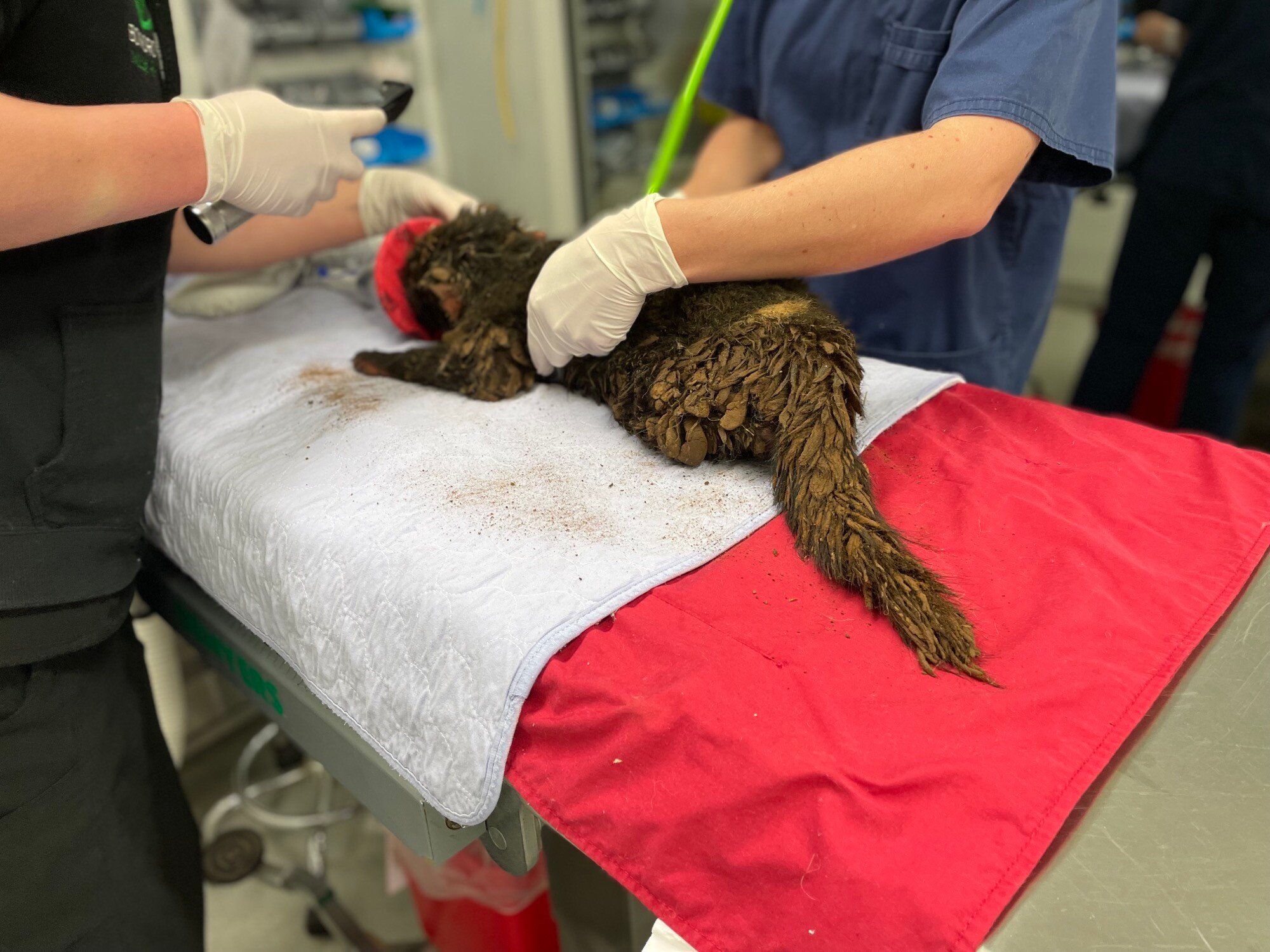
- Assessing treatment and release outcomes for critically endangered possums burned during extreme heat events in Western Australia
Western Sydney University

- Future-proofing Turtle Populations
- The Hawkesbury-Nepean Platypus Project
- Quantifying heavy metal and anthropogenic contaminant exposure in platypus (Ornithorhynchus anatinus) populations in a World Heritage Area
- Strengthening Wildlife Rehabilitation: Advancing Scientific Literacy and Best Practices for the Care and Management of Injured Turtles by Wildlife Carers
Macquarie University

- Bacterial pathogens and antibiotic resistance in juvenile Grey Headed Flying-Foxes: Implications for flying fox health and in-care management
- Habitat restoration for threatened bats in critically endangered woodland
- Chytrid Fungus in Frogs
The University of New South Wales

- Reducing the risk to wildlife in the illegal pet trade
Charles Sturt University

- Assessing Pre-Release Health & Post-Release Fate of Rehabilitated Wildlife
- Confirming if plant volatiles and bedding material can attract Australian birds and mammals to nest boxes and chainsaw hollows
- Deploying artificial refuges for threatened fauna in fire-prone landscapes
The University of Newcastle

- Using thermal imaging, novel VHF/GPS tracking technology and genotyping to enhance post-release outcomes for rehabilitated koalas and support the recovery of the Port Stephens koala population
Griffith University

- Leave It School - an online dog training program to reduce wildlife attacks
The University of Wollongong

- Parasites, pathogens and population health: investigating threats to the endangered greater glider in NSW
The University of Canberra

- Reducing the impact of the deadly amphibian chytrid fungus on native frogs in the wild
Queensland University of Technology

The University of the Sunshine Coast

- Understanding the prevalence and impact of other bacterial, viral and chlamydial co-infections in koalas
- Establishing vital roost characteristics to facilitate urban insectivorous bat conservation
The University of Queensland

- Reducing tick paralysis mortalities in the endangered spectacled flying-fox
- Habitat restoration methods to conserve hollow-dependent threatened mammals and birds
The University of Adelaide

- Flying-fox Research
- Gastrointestinal microbiome changes with the onset and progression of the disease Oxalate Nephrosis in koalas
Flinders University

- Securing the health and viability of koala populations in post-fire landscapes in Kangaroo Island
The University of Melbourne

- Quantifying harmful lead exposure in Australian raptors
- Rapid diagnostic testing for a severe lizard respiratory virus
- Field trials of moxidectin to treat sarcoptic mange in wombats
Monash University

- Disentangling the long-term effects of marine debris on Australian fur seals -
La Trobe University

- The marsupial gut microbiome: Improving rearing and release outcomes by supporting the development of host-associated gut microbial diversity
Federation University

- Behaviour and habitat patterns of birds of prey rehabilitated and released back into areas of Western Victoria
The University of Tasmania

- Improving the effectiveness of wombat mange treatment
- DNA Demography for Evidence-based Seabird Recovery
- Vectors and victims: East Australian Pathogen Surveillance for Australia's Threatened Marine Birds (EA-PATH)
Murdoch University

- Investigating the Health and Disease of Platypuses in NSW
The University of Western Australia

- Protected released Western ringtail possums from fox predation