
Migrating Seabirds
- Home
- Wildlife Information
- Species Information
- Birds
- Migrating Seabirds
Found a sick, injured or dead seabird?
- Do NOT touch it
- Keep people and pets away
- For wildlife rescue advice, call WIRES on 1300 094 737
- If you find a dead shearwater, or a live bird displaying symptoms of H5 bird flu, report it to the Emergency Animal Disease Hotline on 1800 675 888
Millions of seabirds make an extraordinary journey every year
Every year, millions of shearwaters leave Australia and New Zealand breeding grounds and undertake one of the world's great bird migrations.
For these remarkable birds, migration means thousands of kilometres across open ocean, changing weather conditions and long periods with little opportunity to rest.
Most complete the journey successfully, but some become exhausted, dehydrated or unable to find enough food and may wash ashore along the Australian coastline.
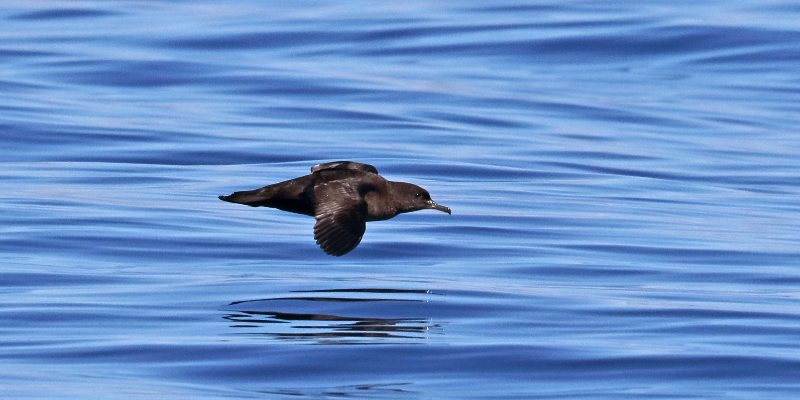
The incredible journey of the Short-tailed Shearwater
Short-tailed Shearwaters, also known as muttonbirds, are among the world's most numerous birds.
More than 20 million individuals are estimated to undertake this migration each year.
Their annual journey covers approximately 15,000 kilometres.
A migration across the Pacific
In late April and early May, Short-tailed Shearwaters leave their breeding grounds in Bass Strait.
They travel north-east across the Pacific Ocean before reaching the Bering Sea between Russia and Alaska, where they spend the Australian winter.
For young birds, the first migration is an extraordinary challenge. They may spend the entire journey on the wing.
When they return south, they can make feeding stops before travelling down the east coast of Australia and returning to their breeding colonies in late Spring and Summer.
.png "Custom website images (68)")
Why do seabirds wash ashore?
Migration is physically demanding, particularly for young birds making the journey for the first time.
During the return journey, shearwaters depend on food such as:
- krill
- crustaceans
- squid
- fish.
Changes in ocean conditions can affect where these food sources are found.
Unusually warm sea temperatures can push food further offshore, making it harder for birds to access the resources they need.
By the time a severely depleted bird reaches the shoreline, it may be suffering from:
- extreme weight loss
- dehydration
- exhaustion
- metabolic problems
- starvation
- plastic ingestion.
Unfortunately, birds in this condition can have a very low chance of survival, even when they are taken into care.
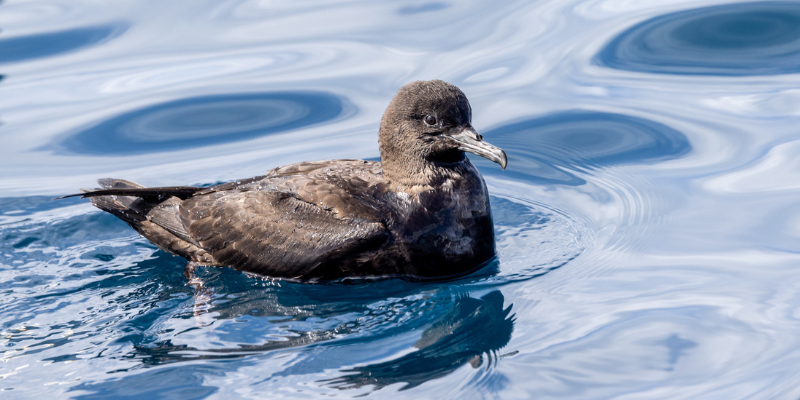
A shearwater can lose almost half
of its body weight during migration.
What is a seabird 'wreck'?
Along the New South Wales coastline, large numbers of dead or exhausted seabirds can sometimes wash ashore at the same time.
These events are often referred to as seabird wrecks.
They can be associated with challenging conditions during migration, including changes in ocean temperatures and food availability.
Although seeing large numbers of seabirds on a beach can be distressing, mortality is a natural part of these demanding migration journeys.
Millions of shearwaters successfully complete the migration every year.
However, a live bird that is weak, injured or unable to fly may still require assistance. If you're unsure, contact WIRES on 1300 094737.
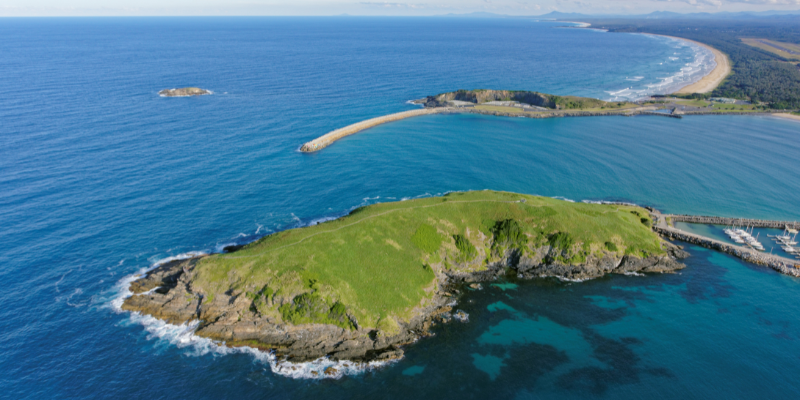
Muttonbird Island Nature Reserve
Muttonbird Island, near Coffs Harbour on the New South Wales coast, is home to thousands of Wedge-tailed Shearwaters for part of the year.
These birds spend the Australian winter in south-east Asia before returning to Muttonbird Island in August.
They leave again on their annual migration in late April.
For young birds making their first migration, the journey begins with an especially difficult challenge.
The danger of artificial light
Young shearwaters leaving their breeding colony can become disoriented by artificial light from the mainland.
Instead of heading out to sea, they may become confused and land on roads, footpaths or other areas where they are vulnerable to injury.
If you encounter a fledgling shearwater in this situation, do not assume it has been abandoned.
If it appears uninjured, it may need to be safely contained and returned to the island so it has another opportunity to begin its migration.
If you are unsure what to do when you see sick, injured, or orphaned wildlife, call WIRES for advice on 1300 094 737.
How you can help migrating seabirds
Don't handle sick or dead birds
H5 bird flu is an important consideration when dealing with wild birds. Follow current government advice and reporting requirements. If a bird is showing clinical signs of H5, report it to the Emergency Animal Disease (EAD) hotline on 1800 675 888.
Keep dogs and cats away
If you see a seabird resting on the beach, give it plenty of space and keep pets under control.
Don't feed wildlife
Seabirds have highly specialised diets and may be severely dehydrated or metabolically compromised. Don't give a stranded bird food or water unless instructed by a wildlife professional.
Reduce unnecessary light
Artificial lighting near seabird colonies can disorient young birds during their first flight.
.png "Sooty Shearwater (2)")
15 Ways to Help Wildlife
Sign up to receive our monthly eNewsletter with wildlife rescue stories and updates on our work rescuing, rehabilitating, and releasing native wildlife.
